Quality Manufacturing

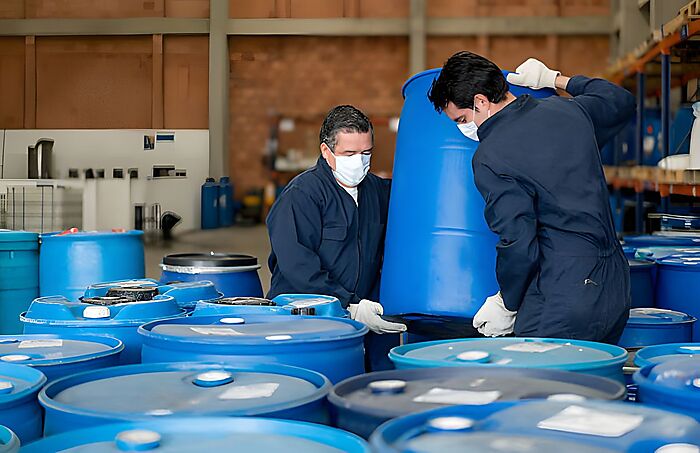
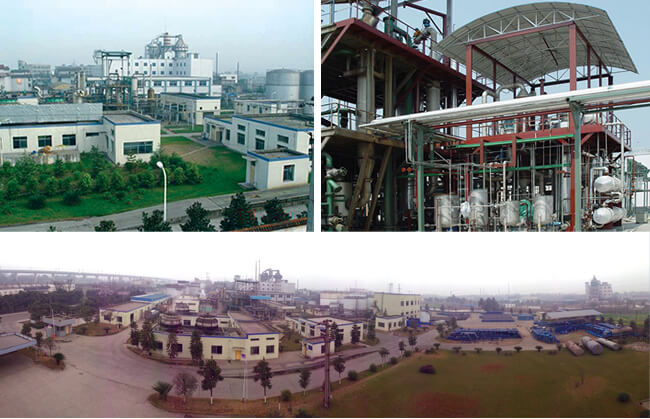
Our advanced production facilities ensure consistent product quality meeting international standards.

Custom Solutions

Tailored chemical formulations designed to meet your specific manufacturing requirements.

Technical Support

Expert technical assistance for product selection, application, and troubleshooting.

Jintung Petrochemical Corp. Ltd

Get to Know Us

Jintung Petrochemical Corp., Ltd., a leading supplier of LAB, LAS and LABSNa for Chinese biodegradable detergents industry,is a joint venture between Jinling Petrochemical Corp., Ltd. and TAIWAN Hotung chemical corp.,...
Read More

12

h

After-Sales Response

99

%

Delivery Rate

100

%

Factory-Exit QC

99

%

On-Time Delivery

Featured Products

Latest News

JINTUNG PETROCHEMICAL CORP., LTD.}
May 19, 2026

 Working at the core of production, every shift puts us face to face with decisions that often get lost in boardrooms or on PowerPoint slides. At Jintung Petrochemical, daily routine means wrangling with tanks, turbines, and columns that define our reliability. The conversation about how companies like ours handle raw material price swings comes up often, not in management memos but on the blending floor, when a sudden spike in feedstock hits everyone’s workplan. People sometimes expect petrochemical production to flex around market changes instantly. That’s never been reality here. Our equipment profiles, refining configurations, and established supply contracts write the rules. The plant grows familiar to every worker; it shows the scars of every trade policy shakeup, for example, when a geopolitical event chokes vinyl acetate monomer supply or a new import tariff reroutes naphtha flows. Our operators judge success in terms of uptime hours and impurity levels, but offsite, policy experts grade us by how we manage these disruptions. Folks who work hands-on at Jintung see that cost-cutting narratives in the news almost never reflect the full cost of conversions or efficiency upgrades — each pressure relief valve swap, or pre-treatment addition requires real downtime, not just capital allocations on a spreadsheet.  Plant safety is not a checkbox exercise here. It roots into daily muscle memory. Technicians know the acid-wash cycle in tower maintenance without referencing manuals. There’s an acute awareness that every process deviation, even one degree off the set point, carries consequences. We have stories of close calls — a failed seal, a compressor trip in summer heat — and they travel along the crew as cautionary tales, not just statistics. We remember the reasons behind overhauls, not just their itemized costs. In the climate of regulatory scrutiny, we have seen a sharp rise in audits and more questions about emissions, waste treatment, and water management. It’s a push that doesn’t just come from outside. Young engineers at Jintung take pride in tackling air quality improvement projects, not for headlines, but because the community lives downwind. Lessons from flares or wastewater events become teaching tools for new hires. We understand why transparency matters. It’s not only about compliance, it’s about earning the trust of everyone who works here and everyone over the refinery fence line.  Supply chain resilience took on a new meaning recently. We have experienced what shortages of key additives or alternative feedstock routes actually do to production speed and end product purity. There’s a big difference between reading about supply bottlenecks and trying to troubleshoot with a supplier in the middle of a typhoon season or after a port disruption. Some processes adapt, others slow to a crawl. The warehouse team at Jintung has stories of creative storage solutions, and it never comes down to a simple reorder. There’s debate on the shop floor about how much buffer inventory we should hold. Logistics planners, merchants, and the production crew grapple with these compromises as a group. Bulk material shortages ripple through to production rates and delivery promises quickly. Agility is not just a management catchword; it’s an outcome of detailed process knowledge, long supplier relationships, and hundreds of “what if” scenarios rehearsed by every technician tracking real-time plant data.  Quality does not stem from luck or slogans here. The refining and compounding teams have internal benchmarks that stretch past any customer requirement. Every shift leader learns the reasons behind each standard lab analysis, and everyone knows the defects that can sneak in during a hot summer night run, for example. Jintung’s technical staff configure quality monitoring as an ongoing, sleepless system — blending, analyzing, then blending again to tilt the line back into spec after a composition shift. When batches fall short, the investigation draws in veterans who have seen legacy grade lineups and remember the performance of each reactor revamp. Continuous improvement talk in chemical manufacturing cuts to the heart of our work life — it shapes how we build up our error logging, process control tweaks, and plant troubleshooting. Technical staff pay attention to the ways that process chemistry is evolving globally, often adopting best practices from colleagues at other facilities. Real improvement occurs at 2 a.m. with a shift foreman double-checking a flow transmitter or maintenance tech swapping a suspect seal long before it becomes a problem.  The biggest industrial challenges hit hardest right here at the facility. For those of us deep in operations, “sustainability” is not just a marketing line. We weigh the cost of process integration projects against the real-world reliability of heat exchanger retrofits and the knock-on effect on every downstream step. When management prioritizes reducing fuel-gas consumption, every operator then faces the question — can this reheater run leaner without affecting throughput? Carbon intensity targets filter down to boiler operators who tweak every control in search of marginal savings. Waste heat recovery, onsite solvent regeneration, and raw water reuse sound promising on paper, but actual results depend on everything from process variability to the skill of the day crew. Public expectations around green chemistry push us to rethink old approaches, and Jintung’s experience shows that integrating recycled materials or biobased feedstocks means more than swapping out a shipment; it requires technical retraining and tuning every part of the plant. Workers discuss not just today’s process flow, but how yesterday’s solvent recovery experiment affects batch runs and waste handling downstream.  Talent retention shapes every performance gain and every lost hour in plant downtime. Jintung’s crew shares the same workshop benches for years, learning every turn of the facility. Experienced technicians who have seen rare failures train the next generation, building a problem-solving culture rooted in actual plant history, not theoretical procedures. Crew stability translates directly into safety, as teams communicate better and anticipate each other’s moves during an emergency shutdown. People often think of automation as a panacea, but we know that even the best digital control system depends heavily on local troubleshooting — a sensor glitch spotted by someone with sharp instincts, or a process deviation caught by someone who heard the wrong hum in a mixer motor. The plant’s real backbone lies in the story-share between generations, the daily drills, and the respect for hands-on skill. Continuous learning, from formal courses to on-the-job mentoring, forms the base for every improvement here, whether in process safety or energy management.  Jintung Petrochemical continues to redefine itself through the grit and innovation of every team member on site. Our response to crises, whether supply shocks or regulatory pivots, comes from years of collective adaptation — tested ideas, adaptations born in midnight troubleshooting, and a willingness to change course in response to real data. The journey involves personal stake; families live near our facility, and pride rides on each successful turnaround and every long run of accident-free operation. The future will keep demanding better ways to cut emissions, manage scarce resources, and attract talent. Each day’s work shows how the biggest changes ratchet up, not from headlines, but from the sum of choices made by the people who know every corner of the plant. Mobile: +8615365186327E-mail: sales3@ascent-chem.comWebsite: www.jintung-petrochemical.com

Sichuan Jintung Fine Chemical Co., Ltd}
May 19, 2026

 As a chemical manufacturer, watching the industry grow in places like Sichuan always draws attention. For years, producers face real struggles with sourcing trustworthy chemical partners, especially when downstream customers expect tight quality control, reliable consistency, and honest business practices. Sichuan Jintung Fine Chemical Co., Ltd rises out of this context, reflecting an approach that skips buzzwords favored by marketers and focuses instead on getting batches right day after day, order after order. There’s no shortcut through daily plant operations, no algorithm that replaces real people tracking hundreds of production metrics from lab to loadout truck. Every product leaving a factory like ours tells a little story about equipment, human oversight, and tough choices around cost, safety, and customer timelines.  From a manufacturing standpoint, each production run pulls more weight than certificates or paper quality guarantees. Operators know impurities, trace metals, or inconsistent composition escape some standard checks, but never the eyes of experienced people on the floor. This is where labs at Sichuan Jintung likely invest serious hours, tracking batch differences and calibrating instruments against strict benchmarks. Customers—especially multinational electronics and pharma groups—do not tolerate unknowns in raw material composition. If a single analysis says a purity is off, entire shipments reroute or get discarded. Reliability day after day happens because our people treat their plant like an extension of their family’s reputation, not just a set of buildings churning out tons of chemicals.  Factory managers battle fresh compliance rules every season. In China, regulatory changes have forced manufacturers to retool equipment, strengthen emissions controls, and even withdraw long-standing legacy products. The stakes are real: companies abroad expect not only base compliance but full documentation, traceability, and auditable control over hazards. Firms like ours do not have room to let something slip through; just one slip-up risks contracts, years of trust, and jobs for hundreds of employees. Sichuan Jintung has had to shoulder those burdens just as we have, channeling more funds into effluent treatment, new reactor designs, and rapid-response incident planning. The best factories draw on long-term operators and in-house engineering teams, training them beyond any government minimums to handle both planned and surprise inspections. The difference between a supplier who meets foreign partner expectations and one who loses out often boils down to culture rather than machinery or patents.  Polyols, intermediates, powder coatings, and other specialty outputs each come with invisible headaches most end users never see. Polymerization, distillation, drying, and packaging require years of hands-on adaptation to keep yields stable while energy prices and raw material quality swing constantly. Downtime from pump failures or a reactive-ingredient delivery delay eats into margins fast. Over time, families and neighborhoods come to rely on the plant’s stable operations for their own livelihoods, raising the stakes for smooth running. Companies like Sichuan Jintung show the kind of process memory often only available to manufacturers with decades in the field—not just from lab notes, but from passing down know-how through senior techs and process managers who have solved equipment bottlenecks and raw material deviations firsthand. That internal knowledge lets these groups respond faster and more safely than out-of-the-box instructions ever could.  One of the running battles across every chemical plant is finding and retaining the talent to keep complex production chains running 24/7. The young engineers entering this industry want more safety, more training, and often clearer prospects for upward movement. Factories investing in real training programs—ones that tie theory to messy day-to-day troubleshooting—keep teams engaged and prevent skill shortages that slow output or worsen incident rates. Procurement teams, both here and at companies like Sichuan Jintung, fight cost spikes on base raw materials. Volatile commodity prices can wipe out the profit on long contracts, especially when big buyers push for inflexible supply arrangements. It takes savvy negotiating, storage planning, and often direct relationships with upstream extractive industries to stabilize costs. The biggest fight, though, happens with emissions and waste. Stringent limits on wastewater, air pollution, and solid residues force plants to re-examine solvent usage, byproducts, and closed-loop recycling systems, sometimes on short notice. No chemical plant escapes this pressure, and those who tackle it directly—engineering out at the root instead of patching problems—shield themselves long term against unplanned shutdowns or public pushback.  Chemical manufacturing runs on trust. Buyers risk massive recall bills and global brand damage if one consignment contains sub-standard input. The best evidence of a manufacturer’s strength is not press releases but feedback from repeat partners. Reliable companies survive shocks to raw material flows, currency swings, weather disasters, and new tariffs by quickly adapting, without eroding the quality or safety of their supply. Factories with real engineers, techs, and QC personnel—many of whom have solved on-site bottlenecks under tight timelines—show resilience in the face of market and regulatory swings. Sichuan Jintung appears to navigate these challenges effectively, which is clear from industry rumors about operational discipline and hands-on involvement from technical staff right up to leadership. There are no secrets to building trust except doing the work, every shift, no matter if orders are up or down.  The industry keeps heading for tighter standards and more rapid cycles of change. End users seek traceability right down to raw ingredient origins, hoping to guard against geopolitical risk or sudden shortages. Environmental authorities clamp down on plant run-off and emissions with fines that threaten entire product lines. Manufacturing teams grow ever more important as live process data, simulation, and AI make informed guesses possible, but never erase the need for experienced judgment. Producers such as Sichuan Jintung, drawing on a real history of operational problem-solving, continuous skills renewal, and a willingness to upgrade whenever evidence points to better solutions, stand stronger. The companies that hold their people to high internal standards and share lessons learned, not just among themselves but up and down the supply chain, bring resilience that partners value year after year. Mobile: +8615365186327E-mail: sales3@ascent-chem.comWebsite: www.jintung-petrochemical.com
Anhui Jintung Fine Chemical Co Ltd}
May 19, 2026

 Every chemical manufacturer faces a unique mix of challenges, victories, and questions driving its growth. At Anhui Jintung Fine Chemical, real business happens on factory floors and in R&D labs, not just in corporate press releases. The reputation attached to Anhui Jintung in industry news draws on years of actual production experience and customer feedback. Our teams in Anhui Province start early, working with each batch, not only aiming for consistency in quality but also for direct accountability. Manufacturing at scale brings regulatory scrutiny, safety demands, and constant technical evolution. Workshops must run efficiently, meeting standards set by both authorities and buyers relying on traceable supply chains. Downstream partners count on a predictable output of intermediates and finished chemicals, from solvents to specialty additives. These links build the credibility of the Anhui Jintung name more than any advertising campaign.  Competition in China’s chemical sector shifts every month. Overcapacity in some segments has forced serious producers to either cut corners or raise their game. There’s little room for companies that can’t document their batch history or respond rapidly when customers need lot-specific data for a regulatory inspection. At Anhui Jintung, technology choices, process optimization, and sourcing decisions are handled by people who have invested decades in the industry. Every safety upgrade in the plant and every line of documentation comes from hard-earned experience, not theoretical compliance manuals. Those tracking the sector see the company as a survivor and an innovator, precisely because it continues to reinvest in safer production, emission reduction, and more reliable product releases, instead of merely chasing quarterly targets. This approach strengthens long-term buyer relationships and supports more sustainable profits, even when prices get squeezed by global conditions.  Manufacturing something as common as a glycol ether or as niche as an active pharmaceutical ingredient never works as a pure numbers game. Contamination, trace residues, and misblended lots lead to rework, shipment delays, or even dangerous recalls. On the factory line, workers rely on well-maintained equipment and clear procedures, not luck. Sites handle regular audits and quality checks by international partners, so every technician has to think three steps ahead. In our own history, not everything has gone perfectly, but the best learning always comes from confronting actual failures head-on. Most chemical companies in the region can recite ISO standards from memory, but real value comes from building a culture where workers are empowered to raise process issues. This internal vigilance limits surprises during customer audits and proves reliability when end users need a certificate of analysis that matches laboratory reality.  Pressure to deliver greener chemistry runs through every part of modern operations. Solvent recovery units, waste treatment technology, real-time emissions monitoring—these demands increase financial burdens but also sharpen a manufacturer’s competitive edge. Anhui Jintung’s investment in advanced facilities is as much about self-preservation as it is about social responsibility. Regulatory agencies raise the bar with every publicized incident of industrial pollution. Instead of waiting for mandatory upgrades, proactive modernization means fewer shutdowns and fewer compliance headaches during surprise inspections. Customers on export markets test product samples for unwanted byproducts, micro-contaminants, and even packaging residues with increasingly sophisticated tools. A reputation for responsible production opens doors in strict markets and pushes down insurance premiums. It also gives our employees and neighbors more faith in the company’s long-term commitments.  Trade disputes, port delays, energy cost spikes, and raw material shortages regularly hit chemical producers. Companies like Anhui Jintung cannot hide from these pressures. Reliable suppliers for raw inputs can pivot unexpectedly or pass on steep price hikes. In such a climate, manufacturers hold an advantage if they can quickly reformulate, adjust batch sizes, or identify alternate vendors without sacrificing core quality or safety checks. Building flexibility directly into logistics and procurement never guarantees smooth operations, but it does limit the shock from external volatility. Most of our customers expect not only a stable source of product but also technical support if their own processes need tweaking due to outside disruptions. Helping them solve these problems strengthens trust and justifies our pricing power during tough cycles.  Fancy automation and new ERP systems play a supporting role, but people remain the foundation. Operators look after the heartbeat of the plant. Maintenance teams react to problems before they cause shutdowns or safety concerns. R&D foremen relay technical issues fast so that managers respond in real time rather than with quarterly reviews. Management hears about bottlenecks and near misses from shop-floor staff who actually stand beside the reactors. This ground-level connection limits miscommunication about process hazards or misunderstood orders. The strength of Anhui Jintung comes not from theory but from practice—where experienced technicians, safety officers, and process engineers combine their skill sets to solve problems quickly. Investment in worker training and a culture that admits mistakes without punishment stops small mishaps from spiraling.  As a manufacturer directly facing global and local pressures, the company continues to push for incremental improvements rather than hype future plans with unrealistic promises. Each new line or advanced synthesis route launches only after internal teams run their own risk models and implement safeguards. International buyers, asked to place orders in unpredictable conditions, look for more than marketing claims—they seek transparent track records showing technical consistency and ethical sourcing. At Anhui Jintung, trust gets earned through performance over years, not just paperwork or slogans. Our experience proves that business built on production reality and respect for worker know-how will last beyond any single product cycle. Mobile: +8615365186327E-mail: sales3@ascent-chem.comWebsite: www.jintung-petrochemical.com